
Welcome to From Insults to Respect. Today we’re going to discuss Dylan’s angriest song, which, to my mind, is “Positively 4th Street.” Oh, I well know there are some others that can be chosen as absolutely the angriest. “Masters Of War,” for example, with its final lines that go,
And I hope that you die and your death will come soon
I will follow your casket by the pale afternoon
And I’ll watch while you’re lowered down to your deathbed
And I’ll stand over your grave ’til I’m sure that you’re dead.
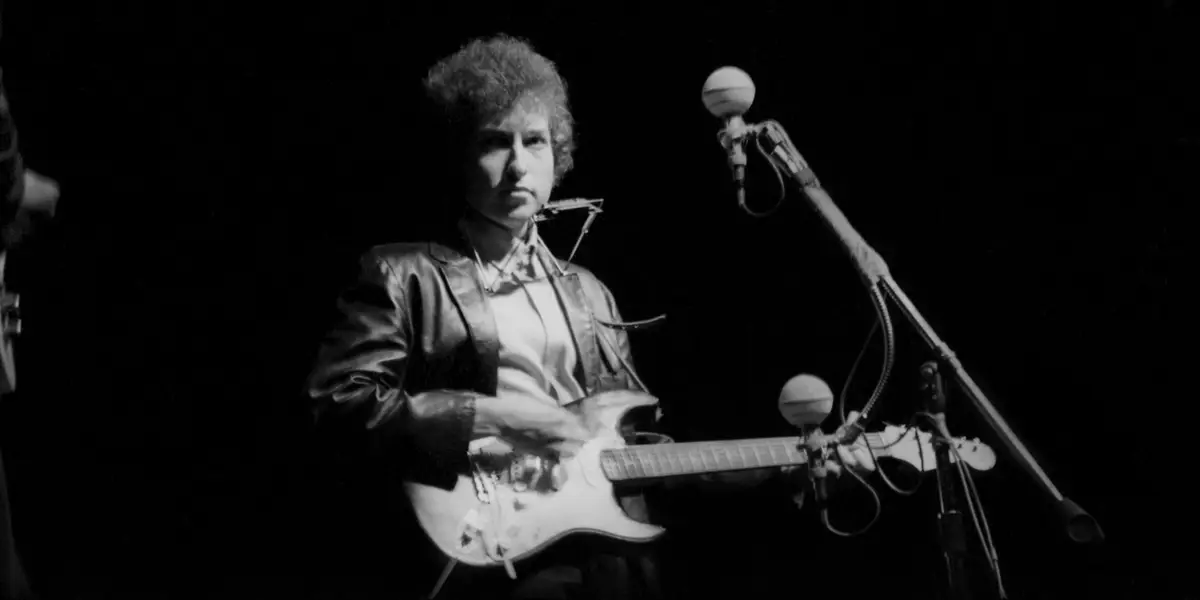
Idiot wind
Blowing every time you move your teeth
You’re an idiot, babe
It’s a wonder that you still know how to breathe
“Positively 4th Street”
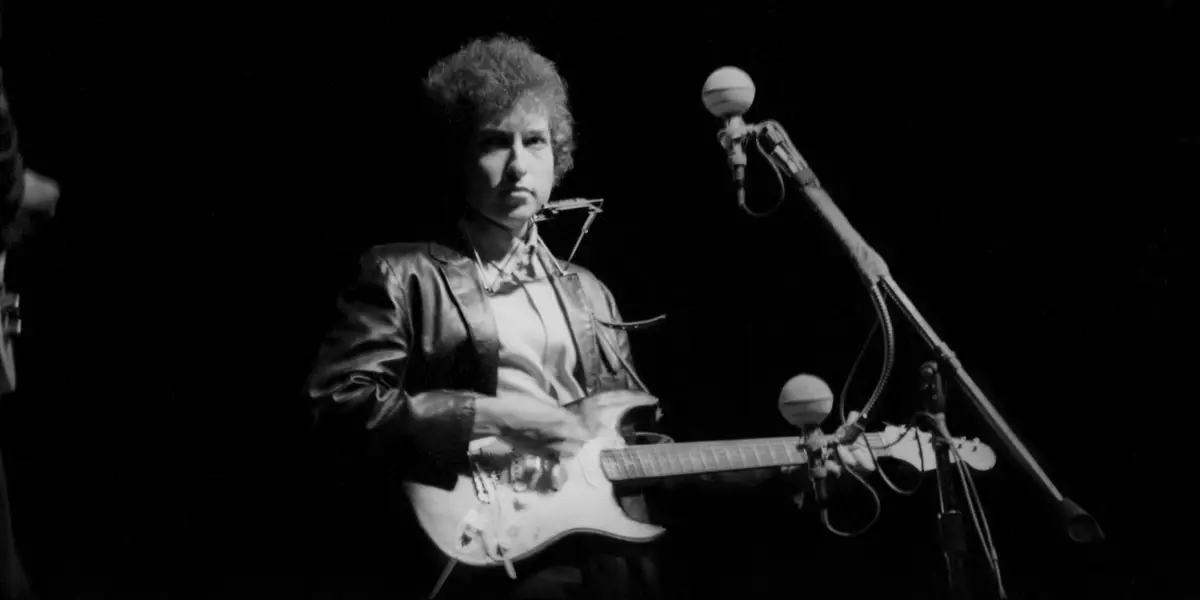 The song was composed by Bob very shortly after he was booed at the Newport Folk Festival for playing electrified rock music. We can imagine his expressed anger in the song may be at least partly a result of his reaction to the booing. Others whom he personally knew may have been saying some unkind words about his shift in music style. But for whatever reason, he’s expressing anger.
 Now, before moving on, let me clearly define what I mean when I talk about anger. Whenever people are experiencing the basic emotion of threat and then they either give off a signal that a fight might occur at any second, or they actually begin to fight, they experience anger. When we see someone displaying such actions as glaring, waving their fists, shouting, insulting, or baring their teeth, they tend to be giving off signals that a fight might occur.
You got a lot of nerve
To say you are my friend
When I was down
You just stood there grinning

Here, Bob appears to me to be experiencing a threat. This guy has said he is a friend to Bob, and it’s nice to have friends, but now this guy is indicating he is not really a friend. Bob is letting this person with whom he has a personal relationship know that by grinning when he was feeling down it angered him. If the “friend” cares about maintaining his relationship with Bob, Bob’s anger suggests their relationship now is under threat and could come to an end. This could serve a useful purpose because recognizing this threat could motivate the person to soothe the anger.
Moreover, Bob’s anger reveals to his “friend” that his action is not, to Bob, a positive attribute. By his anger, Bob signals to his “friend” that there is now a threat that Bob will let others know just what a lousy friend this person is. Experiencing this as a threat could serve another reason for soothing Bob’s anger.
Interestingly, when I read these first four lines of the song to a family member, she told me it reminded her of a time when she was telling her brother, with whom she has a warm, close relationship, about being down, and he laughed. He soon apologized to her for his laughter, saying when she was conveying her sadness it led him to feel uncomfortable. He urged her to know it in no way meant he didn’t care about her feelings. I guess people react in different ways, and it doesn’t always accurately convey one’s true feelings.
The next four lines go,
You got a lot of nerve
To say you got a helping hand to lend
You just want to be on
The side that’s winning
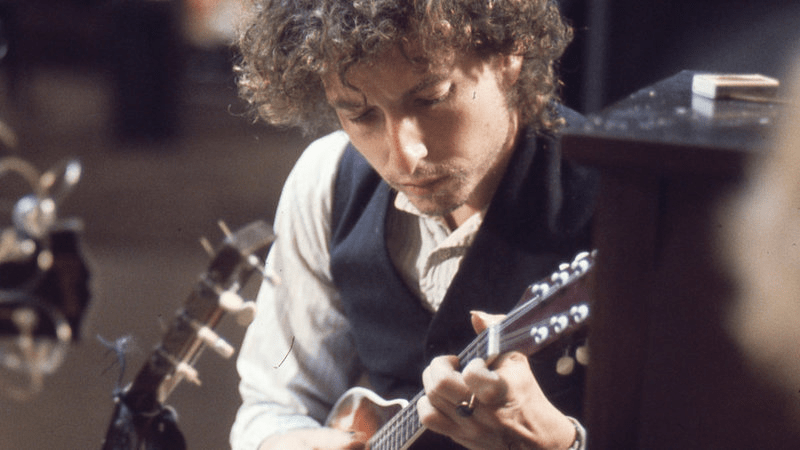
Here, Bob appears to be angry because his “friend” is trying to come off as a real friend by offering to help, but Bob feels this offer is not out of true friendship. Bob is under the impression the offer instead is motivated to get in better with the winning side. Bob’s anger could be experienced as a threat in the same way as revealing his anger about the “friend” grinning about his being down.
The song goes on from here, to indicate Bob is angry for this person not showing when he is feeling hurt, for not having any faith, for talking behind his back, for pretending to greet him warmly, for embracing some heartbreak, and for being dissatisfied with his position and place.
The song ends with the lines,
I wish that for just one time
You could stand inside my shoes
And just for that one moment
I could be you
Yes, I wish that for just one time
You could stand inside my shoes
You’d know what a drag it is
To see you

 On this blog, from time to time, we have considered some ways to improve how we deal with our anger. For example, one powerfully useful approach is the Signaling to Back-Off Technique. In brief, the best way to set this up is to discuss this technique with a person you have had angry interactions in the past at a time when both of you are not in an angry mood. You might say to the other party something like this:
Sometimes I begin to get really upset about something you are saying. I know that it’s important for me to hear your point of view and I do want to hear what you have to say. But there are times when I’m in no condition to give you a fair hearing on a particular topic. At such times, it would help me a great deal if I could give you a simple signal for you to back off for a while. I’ll make sure you’ll get your opportunity to have your full say on a topic before too long—almost always within a week. But I sometimes require a little time to get my act together first. Would you mind helping me out in this way?
If the other party agrees to the Signaling to Back-Off Technique, and I have found that most people do, together you can decide on a signal.
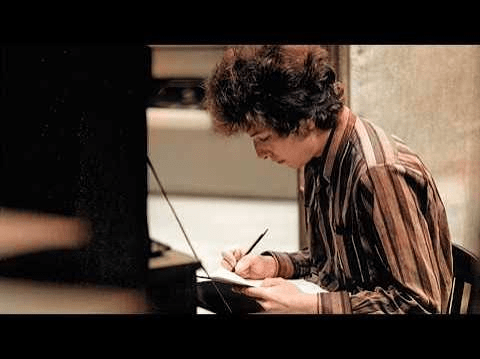 Anther approach involves The Expressive Writing Technique: This is what Bob was kinda doing when he wrote the song.
Over the course of four days, write for a minimum of 15 minutes at each sitting about something that has led to your challenging emotional experience. As you do so, make sure you include not only what happened, but also what you felt when it happened, and how you now feel about what happened. Include your deepest emotions and thoughts about what occurred. Really let go and explore your feelings and thoughts about it. As you do so, recall the sensory experience of these feelings, not just the words that define the experience. In your writing, you might tie this experience to your childhood, your relationship with your parents, people you have loved or love now, or even your career. How is this experience related to who you would like to become, who you have been in the past, or who you are now?
You can write about the same issue every day or a series of different issues. Whatever you choose to write about, however, it is critical that you really let go and explore your very deepest emotions, sensations, and thoughts.
As you go through this experience, many people report that after writing, they sometimes feel somewhat sad or depressed. Like seeing a sad movie, this typically goes away in a couple of hours and in the long run is beneficial.
If you find that you are getting extremely upset about a writing topic and come to feel it is unwise to continue, trust your judgment and stop writing or change topics. You might try to return to the extremely unsettling topic again in a week or two. If you again begin to have feelings that are so extremely upsetting that you feel it is unwise to continue, trust your judgment and stop.
——————————-
Some people will enjoy reading this blog by beginning with the first post and then moving forward to the next more recent one; then to the next one; and so on. This permits readers to catch up on some ideas that were presented earlier and to move through all of the ideas in a systematic fashion to develop their emotional and social intelligence. To begin at the very first post you can click HERE.

8 replies on “On Bob Dylan’s Angriest Song”
Interesting observation!
Hi Dale,
Thanks for chiming in on this post. I do aim to be interesting.
My Best,
Jeff
Dylan reigns effortlessly ♥️the man♥️
Nice one. I wonder if the title of the song is referring to West 4th Street in Greenwich Village where Bob was spending a lot of time those years, perhaps calling out some of the people he was hanging around in the Village scene at that time.
Hi JSR,
Your theory sure sounds right to me.
Jeff
Meiner Meinung nach richtet sich Bob Dylan mit diesem Text unmittelbar an seine “Fans”, die ihn durch ihre Idolisierung und Erwartungshaltung einengen und erdrücken wollen.
Der ganze Text ist nicht an eine einzelne Person gerichtet, sondern s.o.
Mit freundlichen Grüßen aus Köln
Dr. Wolfgang Strobel
Hi Dr. Wolfgang,
For my English speaking readers below I provide the translation from your German to English:
In my opinion, Bob Dylan is addressing this text directly to his “fans,” who, through their idolization and expectations, seek to restrict and smother him.
The entire text is not addressed to a single individual, but rather as described above.
Best regards from Cologne
Bob was good and angry about hatred of the nation-state of Israel in “Neighborhood Bully” on the Infidels album. Dan Israel and Blood on the Tracks does a raucous performance of this song in a YouTube video that kept coming to mind after the Oct. 7 Hamas attack on Israeli civilians.